



h3imageai.net H3 Image AI Generator & Editor – Create 4K Images
Create up to 4K images from text prompts or edit reference photos with MiniMax H3 Image. Choose a canvas, check the credit estimate, and sign in to generate.
Create up to 4K images from text prompts or edit reference photos with MiniMax H3 Image. Choose a canvas, check the credit estimate, and sign in to generate.
A prompt that produces a polished picture is one thing; changing a single detail in that picture without disturbing everything else is another. H3 Image is an AI image generator and editor aimed at both jobs at once. According to the product page, it creates images from text and edits photos using references, with the open-weight MiniMax H3 Image model described as the engine behind the generator.
Many tools force a tradeoff between resolution and control. The product page states that H3 Image generates native 4K without upscaling, and that H3 Image can use up to 16 reference images to guide what changes and what stays in an edit. This overview explains that workflow in practical terms and points only to capabilities listed on the site.
At its core the tool covers two related tasks. The first is text-to-image: you describe a scene and the system produces a picture from that description. The second is reference-based editing: you supply existing photos and describe the change you want to make. The product page frames these as one generator-and-editor experience rather than two disconnected products.
The model behind the service is identified as MiniMax H3 Image, described as an open-weight model. For readers who care about how a system is built, that detail is useful: an open-weight foundation means the generator is not presented purely as a closed system, and the editor is described as running on the same model family.
Reference images are the part that changes how you plan an edit. The site says the editor can take up to 16 reference images to guide what changes and what stays in an edit. In practice, that means you can assemble a small set of images that establish the subject, the background, the lighting, or the style you want to preserve, then describe only the difference you want to introduce.
A helpful way to think about it is to separate the keep from the change. Put the images that define what must stay consistent into the reference set, and let the text instruction carry the part you want altered. As with any reference-driven system, the quality of the input set shapes the result, so it is worth choosing references that are clean and relevant to the task at hand.
The product page lists three output resolutions: 1K, 2K, and 4K, with 2K given as the default. A square 4K image is noted as 4096 by 4096 pixels. Because the site describes 4K as native rather than upscaled, the high-resolution output is produced directly instead of being enlarged from a smaller render.
Canvas ratios are listed as 1:1, 16:9, and 9:16, which covers square, wide, and portrait layouts. You can preview the result and download the original output, so the delivered file is the full-resolution image rather than a downscaled preview.
Here is a checklist that follows the capabilities described on the site and can be adapted to a real project:
1. Write a short, specific prompt that names the subject, the setting, and the desired style. 2. For an edit, gather up to 16 reference images that pin down what should remain unchanged. 3. Pick a resolution from 1K, 2K, or 4K and choose a 1:1, 16:9, or 9:16 canvas. 4. Generate, inspect the preview, and download the original result. 5. If a detail is off, revise the reference set or the wording and generate again.
This kind of generator-and-editor fits tasks where consistency matters: keeping a product or character recognizable across variations, testing a layout in both portrait and wide formats, or preparing high-resolution assets from a single concept. According to the product page, the combination of text generation, reference-driven editing, and native 4K output is what the tool is built to offer.
To evaluate it, the product page is the authoritative source for the current feature set and supported formats. Start with a simple prompt, add references only when you need to preserve something specific, and work at 2K while iterating before switching to 4K for a final export.
Из глобального для малого бизнеса:
🪤 регионам запретили снижать ставки по УСН самовольно. Оставили право только по 51-му ОКВЭДу. Например, у Охотников (у нас) УСН (доходы-расходы) - 10% вместо 15%, при соблюдении условий. А всё, теперь 15% будет. Клиент IT в Питере с УСН (доходы-расходы) 7% тоже переходит на 15%.
🪤 карты физ лиц будут ещё тщательнее проверять на предмет скрытого предпринимательства.
🪤 вводится торговый сбор для бытовых услуг и ресторанов (в тех регионах, где его установят)
🪤 НДФЛ по дивидендам переходят на пятиступенчатую шкалу 13–22%. У кого есть деньги и нераспределенная прибыль - успевайте выплатить в этом году!
🪤 штрафы за несдачу декларации вместо 1000 руб планируют сделать 2600 руб. (в целом штрафы и другие увеличиваются)
🪤 штраф за не своевременное сообщение об обособленном подразделении - 121 000 руб. не хотите?
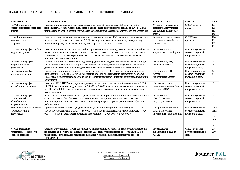
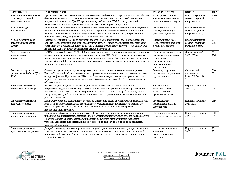
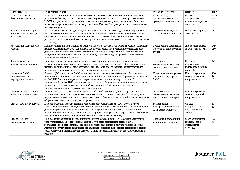
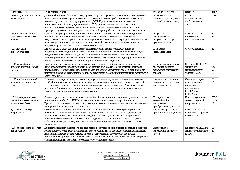
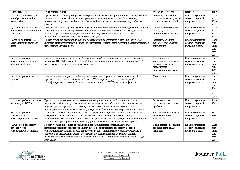
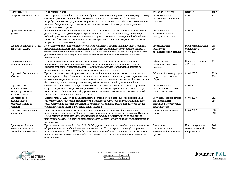
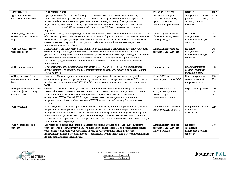
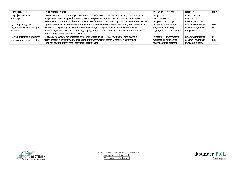
Собрала таблицу по 62 изменениям из этого законопроекта. Пока на низком старте, он ещё не принят.

🛒 Промокоды Яндекс Плюс для старых пользователей — шанс снова подключить подписку почти бесплатно. В ноябре и декабре 2026 года обычно дают 30 дней за 1 рубль. Главное условие — прошлый Плюс должен закончиться больше 30 дней назад. Иногда встречаются скидки на год и другие предложения. Сроки и условия регулярно меняются. Ниже я перечислю все промокоды, которые есть для Яндекс Плюса.